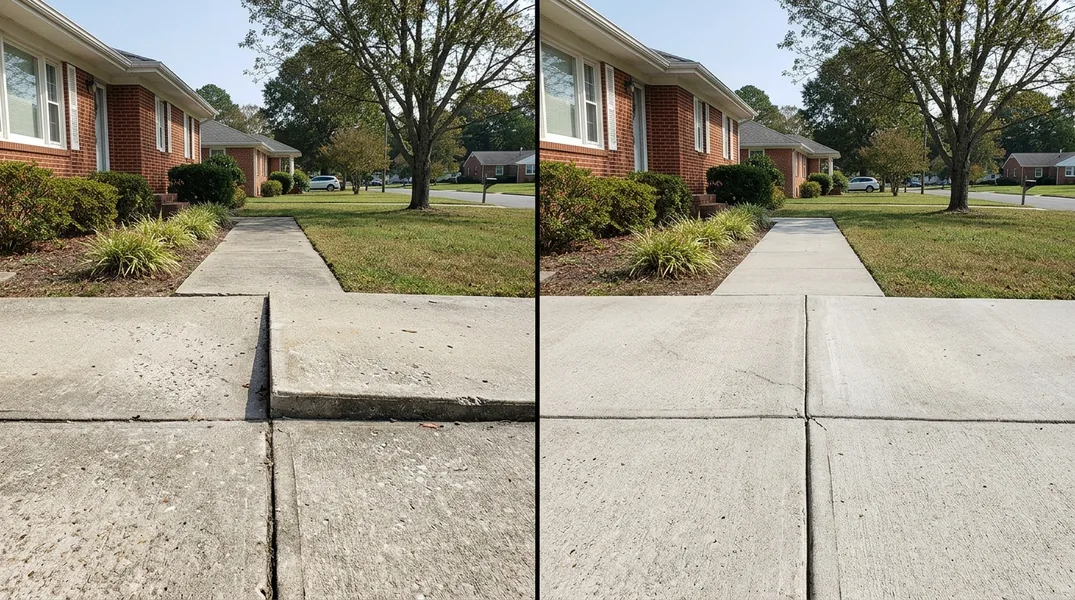
The Perfect Storm: Why Coastal Virginia Is Tough on Concrete
Living in Virginia Beach means enjoying beautiful oceanfront views, mild winters, and a vibrant community. But it also means your concrete surfaces face a unique combination of environmental stressors that inland homeowners rarely encounter. The coastal climate here creates what we call the 'perfect storm' for concrete deterioration: frequent flooding from hurricanes and nor'easters, salt-laden air from the Atlantic Ocean, and a naturally high water table that keeps moisture constantly pressing against your foundation and driveways.
These three factors work together to accelerate concrete breakdown far faster than typical wear and tear would suggest. A concrete driveway that might last 30 to 40 years in a drier climate can show serious signs of distress within 15 to 20 years here in Virginia Beach. Understanding these threats is the first step toward protecting your investment and avoiding costly emergency repairs down the road.
Hurricane Flooding and Driveway Damage: What Homeowners Need to Know
Hurricane season in Virginia Beach typically runs from June through November, and during that time, our region experiences some of the most severe flooding along the entire East Coast. When storm surge combines with heavy rainfall, driveways and foundation concrete can be submerged for hours or even days. This prolonged water exposure doesn't just sit on the surface; it infiltrates the concrete's porous structure, weakening the material from within. The freeze-thaw cycles that follow (especially in late fall and early spring) cause water trapped inside the concrete to expand and contract, creating cracks, spalling, and crumbling surfaces.
Beyond the immediate water damage, hurricane flooding introduces another serious problem: sediment, debris, and saltwater contamination that get forced into concrete cracks and joints. Once this material dries, it becomes nearly impossible to remove without professional intervention. If you've experienced significant flooding in concrete repair and resurfacing services, the damage assessment should happen as soon as water recedes. Waiting weeks or months allows secondary damage to compound, making repairs far more expensive. Virginia Beach Concrete recommends calling for a free estimate within 48 hours of any major flooding event to catch problems early.
Salt Air and Rebar Corrosion: The Hidden Enemy in Concrete
One of the most insidious threats to concrete structures in coastal areas is salt air corrosion. The salt spray that drifts inland from the Atlantic Ocean doesn't just coat your car and outdoor furniture; it penetrates concrete surfaces and attacks the reinforcing steel (rebar) embedded within. This process happens slowly and invisibly at first. The salt ions migrate through the concrete's porous structure, reaching the rebar and initiating an electrochemical reaction that causes rust. As the steel corrodes, it expands, creating internal pressure that cracks and spalls the surrounding concrete from the inside out.
Homeowners often don't notice this damage until it becomes severe because the deterioration starts beneath the surface. By the time you see rust stains, surface cracks, or chunks of concrete breaking away, the structural integrity may already be compromised. The closer your property is to the ocean, the faster this process occurs. Even if you live several miles inland in Virginia Beach, salt-laden air still reaches your home during storms and windy conditions. Proper sealing and maintenance of concrete surfaces can slow rebar corrosion significantly, but once it begins, professional concrete repair and resurfacing is often necessary to prevent further deterioration.
High Water Table and Foundation Issues: A Drainage Problem Unique to Coastal Virginia
Virginia Beach sits in a region with one of the highest water tables on the East Coast. In many neighborhoods, groundwater levels rise to within just a few feet of the surface, especially during wet seasons and after heavy rainfall. This constant hydrostatic pressure means moisture is continuously pushing upward against your foundation, driveways, and any concrete structures. Unlike inland areas where water naturally drains away, coastal Virginia homeowners must contend with water that has nowhere to go but up and into their concrete.
A high water table creates several concrete problems that compound over time. First, it prevents proper drainage beneath concrete slabs, leading to pooling and saturation. Second, it accelerates the freeze-thaw cycle damage mentioned earlier because the concrete stays wetter for longer periods. Third, it promotes the growth of mold, mildew, and algae on concrete surfaces, which weakens the surface layer and creates slippery, hazardous conditions. Foundation cracks and settling issues are also more common in high water table areas because the soil beneath becomes oversaturated and unstable. If you notice standing water on your driveway after rain, or if your foundation seems to be settling unevenly, these are signs that high water table and poor drainage are already taking their toll. Professional assessment and targeted drainage solutions are essential for protecting your concrete investment.
Concrete Repair in Hampton Roads: When Professional Help Is Essential
Recognizing when to call a professional for concrete repair can save you thousands of dollars in the long run. Minor surface cracks, small chips, and light discoloration might seem like cosmetic issues, but in the coastal environment of Virginia Beach, they're often the first signs of deeper structural problems. Water infiltrates through even hairline cracks, accelerating the corrosion process and spreading damage. Similarly, spalling (where chunks of concrete break away from the surface) should never be ignored, as it indicates that rebar corrosion or freeze-thaw damage is already well underway.
The Hampton Roads region, which includes Norfolk, Chesapeake, and Suffolk in addition to Virginia Beach, has specialized concrete contractors who understand these coastal challenges intimately. When you're evaluating concrete repair options, look for companies that have experience with salt-air damage, flood recovery, and high water table issues. Virginia Beach Concrete has helped hundreds of homeowners address these specific problems with proven repair techniques and high-quality materials designed to withstand coastal conditions. Don't wait until a small repair becomes a full replacement; contact us at (252) 429-5873 for an honest assessment of your concrete's condition.
Protecting Your Concrete: Prevention and Maintenance in Coastal Virginia
The best defense against coastal concrete damage is a proactive maintenance strategy. Sealing your concrete surfaces every two to three years creates a protective barrier that slows water infiltration and salt penetration. High-quality concrete sealers designed specifically for coastal environments are far more effective than standard products; they're formulated to resist salt spray and UV damage while remaining breathable enough to allow trapped moisture to escape. Additionally, maintaining proper drainage around your driveway and foundation is critical. Ensure gutters and downspouts direct water away from concrete surfaces, and consider installing French drains or sump pumps if you have persistent standing water issues.
Regular cleaning also plays an important role in concrete longevity. Removing salt residue, debris, and organic growth (algae and mold) prevents these materials from working their way into concrete pores. Pressure washing can be effective, but use caution to avoid damaging the concrete surface; professional cleaning is often safer and more thorough. If you're planning a new driveway or patio project in Virginia Beach, invest in reinforced concrete designs and proper base preparation that accounts for high water tables and drainage challenges. For comprehensive guidance on protecting your existing concrete or planning new projects, Virginia Beach Concrete offers free consultations. Reach out today at (252) 429-5873 or visit our website to schedule your free estimate and learn how we can help you keep your concrete strong for decades to come.
Looking for a professional concrete contractor in Virginia Beach? Virginia Beach Concrete responds fast for all your concrete needs.
Get a Free QuoteOur services: Concrete Driveways · Concrete Patios · Stamped & Decorative Concrete